|
Greek Mythology
Profiles
Coastal
Islands World
Mythology

Greek
myth takes many forms, from religious myths of origin
to folktales and legends of heroes. In terms of gods,
the Greek pantheon consists of 12 deities who were
said to reside at Mount Olympus: Zeus, Hera, Aphrodite,
Apollo, Ares, Artemis, Athena, Demeter, Dionysus,
Hephaestus, Hermes, and Poseidon. (This list sometimes
also includes Hades or Hestia). Other major figures
of Greek myth include the heroes Odysseus, Orpheus,
and Heracles; the Titans; and the nine Muses.
Greek
mythology is the body of myths originally told by
the ancient Greeks, and a genre of Ancient Greek folklore.
These stories concern the origin and nature of the
world, the lives and activities of deities, heroes,
and mythological creatures, and the origins and significance
of the ancient Greeks' own cult and ritual practices.
Modern scholars study the myths to shed light on the
religious and political institutions of ancient Greece,
and to better understand the nature of myth-making
itself.
The
Greek myths were initially propagated in an oral-poetic
tradition most likely by Minoan and Mycenaean singers
starting in the 18th century BC; eventually the myths
of the heroes of the Trojan War and its aftermath
became part of the oral tradition of Homer's epic
poems, the Iliad and the Odyssey. Two poems by Homer's
near contemporary Hesiod, the Theogony and the Works
and Days, contain accounts of the genesis of the world,
the succession of divine rulers, the succession of
human ages, the origin of human woes, and the origin
of sacrificial practices. Myths are also preserved
in the Homeric Hymns, in fragments of epic poems of
the Epic Cycle, in lyric poems, in the works of the
tragedians and comedians of the fifth century BC,
in writings of scholars and poets of the Hellenistic
Age, and in texts from the time of the Roman Empire
by writers such as Plutarch and Pausanias.
Aside
from this narrative deposit in ancient Greek literature,
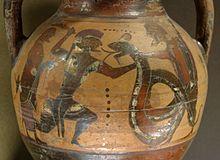
pictorial representations of gods, heroes, and mythic
episodes featured prominently in ancient vase paintings
and the decoration of votive gifts and many other
artifacts. Geometric designs on pottery of the eighth
century BC depict scenes from the Trojan cycle as
well as the adventures of Heracles. In the succeeding
Archaic, Classical, and Hellenistic periods, Homeric
and various other mythological scenes appear, supplementing
the existing literary evidence.
Greek
mythology has had an extensive influence on the culture,
arts, and literature of Western civilization and remains
part of Western heritage and language. Poets and artists
from ancient times to the present have derived inspiration
from Greek mythology and have discovered contemporary
significance and relevance in the themes.
(Wikipedia)
Profiles
Human
Statue Bodyart Human
Statues Bodypainting
Bodyart
Photography
Corporate
Entertainment Corporate
Entertainers Movies
Hollywood
Models
Art
Demigods
available now include: Hercules, Athena, Artemis,
Poseidon, Ares, Hermes, Hera, Zeus and many more
Websites
Human
Statue Bodyart Human
Statue Bodyart Blog Human
Statue Bodyart Pinterest
Human
Statue Bodyart Facebook Human
Entertainment Facebook Human
Statue Bodyart Twitter
YouTube
promo 1 YouTube
promo 2
Let
Human Statue Bodyart assist you with your corporate
and business entertainment. Roving entertainment,
living statues, bodypainted models and more. Established
for more than 10 years. Roving entertainers, bodyartists,
models and studios in most parts of Australia including
Sydney, Melbourne, Brisbane, Canberra, Gold Coast,
Sunshine Coast, Newcastle, NSW coast, Cairns, Adelaide
and Perth.
t:
1300 971 393
e: bodyartist@bigpond.com
w: www.humanstatuebodyart.com.au
Profile
Human
Statue Bodyart
News
Human
Statue Bodyart creates and executes campaign for Percy
Jackson: Sea Of Monsters DVD launch; Sydney, Australia
Human
Statue Bodyart advises Greek mythological living statues
extremely popular for creative, corporate and entertainment
industry campaigns in 2014; Sydney, Australia


Neptune


Medusa

Cupid

|